
What exactly is hematology, and why does it matter?
Hematology is the branch of medicine that focuses on blood, blood forming organs, and blood related disorders. It deals with red blood cells that carry oxygen, white blood cells that fight infection, platelets that help with clotting, and the bone marrow where these cells are produced. Because blood circulates through every organ, even small internal changes often show up here first. This is why early detection in hematology plays such a critical role in modern medicine.
Globally, anemia alone affects nearly one in four people, and blood related disorders contribute significantly to fatigue, infections, and delayed healing. Many of these conditions are treatable when identified early, often before symptoms feel serious enough to act on.
Why blood often tells the story before symptoms do
Blood does not wait for disease to become severe before reacting. It reflects imbalance early, sometimes quietly. A slight drop in hemoglobin, a persistent change in counts, or subtle abnormalities on a routine test can indicate that something deeper is developing. In day to day practice, early detection of blood diseases frequently begins with such incidental findings rather than dramatic illness.
The challenge is rarely the absence of tests. It is how easily early signs are ignored or explained away.
Who should be paying attention?
This blog is for people who feel something is off but cannot clearly explain it. It is for those who notice fatigue that lingers, frequent infections, unexplained bruising, or lab reports marked borderline. Many patients adapt to these changes instead of questioning them. Over time, this delay makes blood disease diagnosis and treatment more complicated than it needs to be.
You do not need severe symptoms to seek clarity. Consistency itself is a signal.
How blood disorders quietly begin
Most blood disorders develop gradually. They are shaped by overlapping causes rather than a single trigger. Early changes are often mild and easy to dismiss.
Common contributors include
- Nutritive scarcities similar as iron or vitamin B12
- Genetic or inherited blood conditions
- Immune system related changes
- Bone marrow related abnormalities
Understanding this early phase allows doctors to intervene before the body compensates or deteriorates further.
Why early detection changes outcomes
Early detection does more than identify disease sooner. It changes how care is planned.
When blood abnormalities are identified early
- Monitoring becomes proactive rather than reactive
- Investigations remain focused and purposeful
- Treatment decisions are calmer and more precise
In many cases, hematology treatment for blood disorders becomes simpler, more effective, and better tolerated when intervention begins early.
How are blood disorders detected?
Detection is rarely about one test or one visit. Hematologists look at trends, patterns, and correlations over time.
This may include
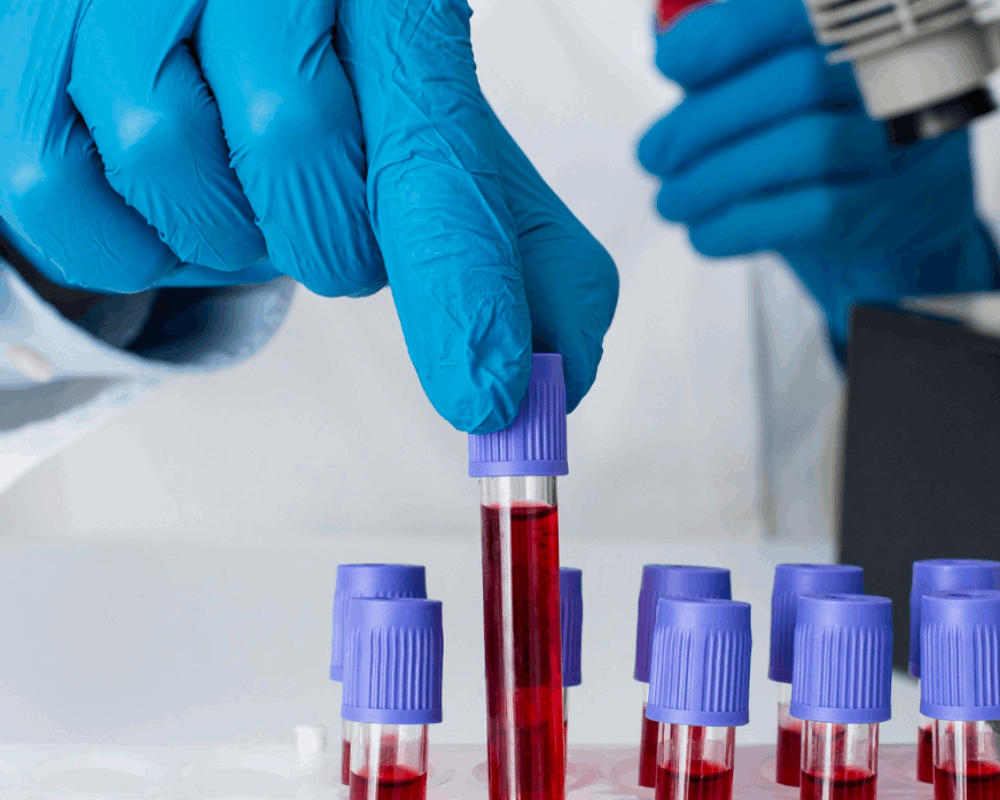
- Routine blood tests
- Peripheral smear examination
- Targeted investigations when needed
The aim is understanding the story blood is telling, not just reading numbers.
Treatment feels different when diagnosis is early
Early diagnosis often means treatment is less aggressive and more supportive. In many cases, restoring balance is possible without intensive intervention. Nutritional correction, medications, or careful monitoring may be enough, especially when changes are identified before complications develop. Even in more complex conditions, early intervention improves response and reduces long term strain on the body.
Treatment approaches may include
- Nutritional correction and supplementation
- Medications to support or regulate blood cell production
- Regular monitoring and follow up for stable conditions
- Targeted or advanced therapies when required, planned thoughtfully
An early diagnosis of blood disorders protects not just physical health, but quality of life as well.
The Indian context cannot be ignored
In India, blood related problems often show up in quieter ways. Fatigue is brushed off, low counts are adjusted to, and family history comes up late in the conversation. Nutritional anemia is still common, and inherited conditions are sometimes discovered years after symptoms begin. Many patients come in only when daily routines start getting affected. Earlier testing could have changed that path in many cases.
Listening early makes all the difference
Blood rarely stays silent without reason. It changes early, often before illness becomes obvious. Many of the conditions we see could have been addressed sooner if those early signs were taken seriously. At Sooriya Hospital, hematology care is guided by listening carefully to these signals, so patients are not left searching for answers later.