
Fatty liver disease is no longer a rare condition limited to a specific age group or lifestyle. It has become one of the most common liver disorders worldwide, affecting both individuals who consume alcohol and those who do not. While early fatty liver may appear mild, progressive fatty liver damage can significantly impair liver function and, in severe cases, become life-threatening. Understanding how liver damage due to fatty liver develops is essential for timely treatment and long-term liver health.
Understanding Fatty Liver Disease
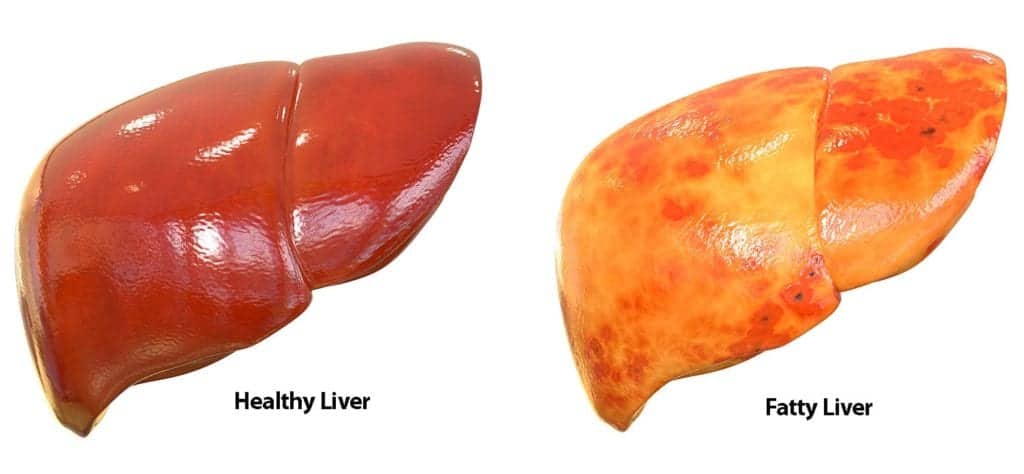
Fatty liver disease occurs when excess fat accumulates inside liver cells. Under normal conditions, the liver contains only small amounts of fat. However, when fat deposition increases beyond safe levels, it disrupts liver metabolism and triggers inflammation. Depending on the underlying cause, fatty liver disease is broadly classified into non-alcoholic fatty liver disease (NAFLD) and alcoholic fatty liver disease.
Non-alcoholic fatty liver disease is most commonly associated with metabolic conditions such as obesity, insulin resistance, type 2 diabetes, and abnormal cholesterol levels. Alcoholic fatty liver disease, on the other hand, develops due to prolonged and excessive alcohol consumption, which interferes with fat metabolism in the liver and damages liver cells directly. Although the causes differ, both forms of fatty liver disease can lead to similar patterns of liver injury if not managed properly.
Causes and Risk Factors
The increasing prevalence of fatty liver disease is closely linked to modern lifestyle patterns. Poor dietary habits, physical inactivity, obesity, and metabolic disorders play a central role in the development of non-alcoholic fatty liver disease. Genetic predisposition and hormonal imbalances may further increase susceptibility. In alcoholic fatty liver disease, both the amount and duration of alcohol consumption determine the extent of liver injury. Nutritional deficiencies and co-existing medical conditions can accelerate liver damage in alcohol-related cases.
Diagnosis and Evaluation
At Sooriya Hospital, diagnosis of fatty liver disease involves a comprehensive evaluation of liver health. Blood tests help assess liver enzyme levels and detect inflammation. Imaging studies such as ultrasound and advanced liver scans identify fat accumulation and structural changes. In selected cases, specialized tests may be used to assess the extent of fibrosis and determine the severity of liver damage. Early diagnosis plays a critical role in preventing irreversible fatty liver.
Treatment and Long-Term Management
Treatment for fatty liver disease focuses on addressing the underlying cause and halting disease progression. In cases of non-alcoholic fatty liver disease, weight reduction through medically supervised diet and lifestyle changes remains the cornerstone of treatment. Improved blood sugar control, cholesterol management, and regular physical activity significantly reduce liver fat and inflammation. For alcoholic fatty liver disease, complete abstinence from alcohol is essential to prevent further liver damage and allow healing.
At Sooriya Hospital, treatment plans are individualized, combining medical management with lifestyle guidance and regular monitoring. With early intervention, liver inflammation can be reversed, and further liver damage due to fatty liver can be prevented. Continuous follow-up is essential to ensure long-term liver health and reduce the risk of complications.
Can Fatty Liver Damage Be Reversed?
In many cases, fatty liver disease is reversible, particularly in its early stages. Reduction in liver fat and inflammation allows liver cells to recover and function normally. However, once cirrhosis develops, damage becomes largely irreversible. This highlights the importance of early diagnosis, consistent treatment, and long-term lifestyle modification.
The importance of proper evaluaExpert Liver Care at Sooriya Hospital
Fatty liver disease should never be ignored, even when symptoms are mild or absent. With expert hepatologists, advanced diagnostic facilities, and a patient-centric approach, Sooriya Hospital offers comprehensive care for fatty liver disease at every stage. Early medical intervention can protect your liver, prevent serious complications, and improve overall quality of life.